
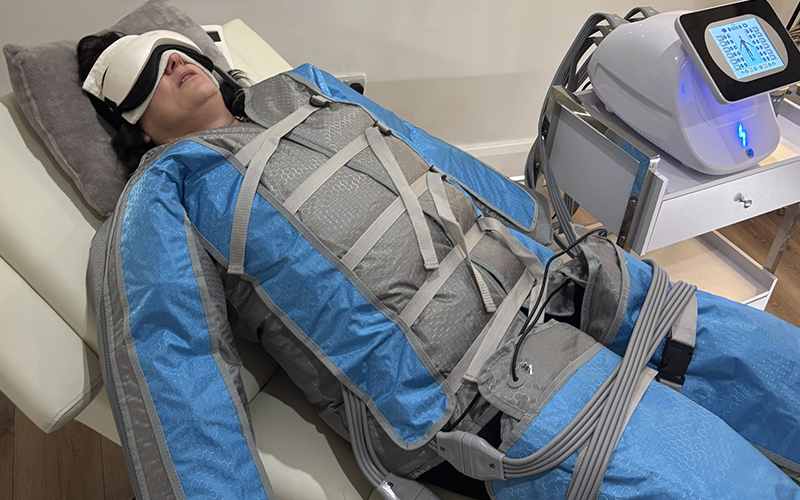
Swelling, poor circulation, and fluid retention are common problems that affect both patients recovering from surgery and individuals seeking wellness or beauty treatments. These issues often cause discomfort, reduce mobility, and negatively impact quality of life. Traditional treatments may include medication, manual massage, or invasive procedures, but these are often temporary solutions and may not be suitable for all individuals.
Pressure therapy machines provide a non-invasive, safe, and effective alternative. By applying controlled air pressure to the body through specialized garments, they stimulate lymphatic drainage, improve circulation, and reduce swelling. This therapy is widely used in physiotherapy, wellness centers, beauty clinics, and even sports recovery programs.
If you are looking for a treatment that combines medical effectiveness with beauty and wellness benefits, pressure therapy could be the perfect solution.
What Is Pressure Therapy and How Does It Work?
Pressure therapy, also known as pressotherapy or pneumatic compression therapy, uses air pressure to gently massage the body and stimulate the lymphatic system. Patients wear special garments connected to a pressure therapy machine, which inflates and deflates in cycles, applying rhythmic compression to targeted areas such as the legs, arms, or abdomen.
This process improves venous return, enhances lymphatic drainage, and helps eliminate toxins and excess fluids. The result is reduced swelling, better circulation, and enhanced tissue oxygenation. For beauty clinics, it is particularly effective in body contouring and weight management programs.

Why Should Patients and Professionals Choose Pressure Therapy?
Patients suffering from lymphedema, post-surgical swelling, or chronic venous insufficiency benefit greatly from pressure therapy. It provides significant relief while avoiding invasive methods. Beauty and wellness clients use it for slimming, detoxification, and cellulite reduction. Physiotherapists and rehabilitation specialists value its role in supporting recovery after injuries or surgeries.
With versatility across medical, wellness, and beauty industries, pressure therapy machines are becoming essential in modern treatment protocols.
Key Questions About Pressure Therapy
What conditions can pressure therapy treat?
It is commonly used for lymphedema, post-surgical swelling, poor circulation, cellulite reduction, and detoxification.
Is pressure therapy painful?
No, pressure therapy is painless and often described as relaxing. Patients feel a gentle, rhythmic massage sensation.
How many sessions are needed?
Most patients notice improvements after 4 to 6 sessions, with long-term benefits achieved through regular treatments.
Are there any side effects?
Side effects are rare. Some patients may feel temporary lightheadedness or increased urination as the body eliminates fluids.
Who should avoid this therapy?
It is not suitable for individuals with deep vein thrombosis, severe heart conditions, or untreated infections.
Table of Contents
Clinical Benefits and Applications
Pressure therapy offers numerous applications across healthcare, beauty, and wellness:
| Application | Benefit |
|---|---|
| Lymphedema Management | Reduces swelling and improves lymphatic flow |
| Post-Surgical Recovery | Minimizes edema and accelerates healing |
| Circulation Issues | Enhances venous return and oxygen delivery |
| Cellulite Reduction | Smooths skin appearance and promotes detoxification |
| Sports Recovery | Reduces muscle soreness and accelerates recovery |
Its dual medical and aesthetic benefits make it a highly versatile solution.

Comparison With Other Treatments
When evaluating treatment options, pressure therapy stands out for its non-invasiveness and comfort:
| Treatment Type | Invasiveness | Comfort | Effectiveness |
|---|---|---|---|
| Pressure Therapy | Non-invasive | Relaxing massage sensation | High for circulation and swelling |
| Manual Massage | Non-invasive | Depends on therapist | Moderate, less consistent |
| Surgery | Invasive | Painful recovery | High, but risky |
| Medication | Non-invasive | Easy to use | Temporary relief only |
This comparison demonstrates why clinics and spas worldwide are incorporating pressure therapy machines into their services.
Conclusion and Next Steps
Pressure therapy machines are transforming the way we manage circulation problems, swelling, and recovery. From physiotherapy clinics to beauty spas, this treatment offers safe, non-invasive relief with the added bonus of body contouring and detox benefits. Patients experience both improved health and enhanced appearance, making it a powerful tool across multiple industries.
If you are ready to discover the benefits of modern pressotherapy, explore our advanced Pressure Therapy Machines designed for both professional and personal use.