
Struggling with stubborn pockets of fat, mild cellulite, or skin laxity can feel like running in circles: you diet, you train, and you still don’t see the contour and firmness you want. Then you look into non-invasive body contouring, but the biggest anxiety hits immediately—how many CryoSkin sessions will you actually need, and will the results be worth the time and cost? When the treatment plan isn’t clear, people either overbook blindly or stop too early, which can reduce satisfaction and delay visible improvement.
Most people need 3–6 CryoSkin sessions for noticeable skin tightening therapy and 5–10 CryoSkin sessions for meaningful cryotherapy fat reduction, typically scheduled every 7–14 days. A professional CryoSkin treatment plan is built around the biological timeline of fat cell apoptosis (gradual clearance by lymphatic pathways) and collagen remodeling (progressive dermal strengthening). In practice, clinics tailor the total number of CryoSkin sessions by treatment goal, body area, baseline tissue quality, and lifestyle factors—because non-invasive body contouring is cumulative: each session builds on the last.

If you want a plan that feels predictable and clinic-grade, keep reading—below you’ll see session ranges by goal and body area, a realistic results timeline, and the key variables that determine whether you’ll need closer to three sessions or closer to ten.
We will answer these questions in detail: How many CryoSkin sessions are needed for fat reduction versus tightening? What interval is ideal between sessions? What results can you expect after each milestone (1–2, 3–5, 6–10 sessions)? What factors increase or decrease session count? And how can clients and clinics build a safe, efficient CryoSkin treatment plan for consistent outcomes?
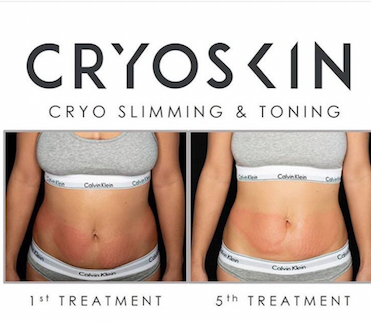
Table of Contents
1. What CryoSkin Therapy Is and Why Multiple Sessions Matter
2. The Science: Apoptosis, Lymphatic Clearance, and Collagen Remodeling
3. How Many CryoSkin Sessions Are Needed? Evidence-Based Ranges
4. CryoSkin Treatment Plan by Goal and Treatment Area
5. Session Spacing: Weekly vs Biweekly Scheduling
6. Results Timeline: What You May See After Each Phase
7. Variables That Change Session Count (Client Checklist)
8. Safety, Comfort, Contraindications, and Best Practices
9. How Clinics Package CryoSkin Sessions for Predictable Outcomes
1. What CryoSkin Therapy Is and Why Multiple Sessions Matter
CryoSkin Therapy is a controlled-cooling approach used for aesthetic improvement, commonly positioned as non-invasive body contouring for clients who want a gradual, natural-looking change without surgery. CryoSkin sessions are not designed as a one-and-done event; instead, they are structured to trigger biological responses that unfold over time.
Two reasons explain why multiple CryoSkin sessions are typically necessary. First, cryotherapy fat reduction relies on the body’s metabolic and lymphatic processes to remove fat cells that enter apoptosis. This clearance does not happen overnight. Second, skin tightening therapy depends on collagen stimulation and tissue remodeling, which is inherently gradual. Repetition improves consistency, smoothness, and durability of results.

2. The Science: Apoptosis, Lymphatic Clearance, and Collagen Remodeling
A professional CryoSkin treatment plan aligns with physiology. During CryoSkin sessions, cold exposure can influence adipose tissue and dermal structures in ways that support both cryotherapy fat reduction and skin tightening therapy.
Fat reduction pathway: Cold stress can initiate changes within fat cells consistent with apoptosis signaling. Once fat cells begin apoptosis, the body gradually processes cellular debris via immune and lymphatic pathways. This is why clients often see changes over weeks, not days, and why additional CryoSkin sessions improve cumulative reduction and contour refinement.
Skin tightening pathway: Cooling followed by rewarming may stimulate microcirculation and fibroblast activity. Over time, collagen and elastin reorganization can improve tone, texture, and firmness. Although some clients report early “tight” sensation, more stable improvements generally appear after repeated stimulation across multiple CryoSkin sessions.
3. How Many CryoSkin Sessions Are Needed? Evidence-Based Ranges
The most practical answer is a range. Clients differ in fat thickness, skin laxity, metabolic rate, and lifestyle. Still, professional clinics generally operate within predictable session bands for CryoSkin Therapy.
| Treatment Objective | Typical CryoSkin Sessions | Recommended Interval | Most Common Target Areas |
|---|---|---|---|
| Primary skin tightening therapy | 3–6 CryoSkin sessions | Every 7–14 days | Arms, abdomen, thighs, buttocks, jawline/neck (protocol-dependent) |
| Primary cryotherapy fat reduction | 5–10 CryoSkin sessions | Every 10–14 days | Abdomen, flanks, hips, thighs, back bra line, upper arms |
| Combined non-invasive body contouring | 6–10 CryoSkin sessions | Customized | Areas with both fat volume + laxity concerns |
In consumer terms, if your priority is firmness and texture, many people start seeing a meaningful shift within three to four CryoSkin sessions. If your priority is circumference change and volume reduction, most clients need a longer sequence—commonly six to ten CryoSkin sessions—because the body must process fat cell apoptosis gradually.

4. CryoSkin Treatment Plan by Goal and Treatment Area
Body area affects how many CryoSkin sessions are needed because different regions vary in fat density, vascularity, and skin thickness. For example, the abdomen and flanks often require more CryoSkin sessions for cryotherapy fat reduction than smaller regions, while areas with thinner skin may show earlier tightening response.
Below is a professional planning table clinics use to set expectations and reduce drop-off. It also helps consumers compare packages objectively.
| Area Category | Common Concern | Suggested CryoSkin Sessions | Why This Range Works |
|---|---|---|---|
| Midsection (abdomen / flanks) | Fat volume + mild laxity | 6–10 CryoSkin sessions | Typically thicker fat layers; benefits from repeated apoptosis signaling and gradual contour smoothing |
| Upper arms | Skin laxity + small fat pockets | 4–8 CryoSkin sessions | Often responds well to combined skin tightening therapy + targeted cryotherapy fat reduction |
| Thighs / buttocks | Texture, cellulite appearance, contour | 6–10 CryoSkin sessions | Large surface area and tissue variability; gradual changes look more natural and even |
| Smaller zones (bra line / lower back) | Localized fat pockets | 5–8 CryoSkin sessions | Localized reduction improves garment fit; repeated sessions reduce the risk of uneven contour |
Many clinics intentionally start with a core plan (for example, six CryoSkin sessions) and then reassess at session three or four. This approach helps clients avoid overcommitting while still completing enough sessions to trigger visible non-invasive body contouring change.
5. Session Spacing: Weekly vs Biweekly Scheduling
Session spacing is one of the most important but overlooked parts of a CryoSkin treatment plan. In general, weekly scheduling is often used when the main priority is skin tightening therapy and texture improvement, while biweekly scheduling (10–14 days) is commonly used when the main priority is cryotherapy fat reduction.
Why the difference? Tightening relies on repeated stimulation and cumulative remodeling; fat reduction relies on the body’s clearance timeline. Many providers choose a hybrid plan: early weekly sessions to build momentum and adherence, followed by 10–14 day spacing as volume changes develop.

6. Results Timeline: What You May See After Each Phase
CryoSkin Therapy is best understood in phases. This reduces unrealistic expectations and helps clients stay consistent with CryoSkin sessions long enough to see the full effect.
| Phase | Number of CryoSkin Sessions | What Clients Commonly Notice | What Clinics Track |
|---|---|---|---|
| Foundation | 1–2 sessions | Temporary firmness, improved texture, better “skin feel” | Baseline photos, measurements, hydration, comfort tolerance |
| Visible Change | 3–5 sessions | Clearer tightening response; early contour refinement | Measurement comparisons, standardized photos, clothing fit feedback |
| Contour Development | 6–10 sessions | More meaningful cryotherapy fat reduction and smoother silhouette | Circumference change, symmetry assessment, maintenance planning |
A key professional point: clients often “feel” changes before they “see” them. Skin texture may improve early, while circumference reduction typically becomes more obvious later—especially as apoptotic fat cells are cleared gradually. This is exactly why consistent CryoSkin sessions matter.
7. Variables That Change Session Count (Client Checklist)
Two clients can follow the same CryoSkin treatment plan and still need different totals. Below are the variables that most strongly influence whether you need fewer or more CryoSkin sessions.
Baseline fat thickness Skin laxity level Age and collagen quality Hydration and lymphatic flow Activity level between sessions Nutrition consistency Sleep and stress load Hormonal factors Treatment area size Consistency of appointments
Clients who hydrate well, maintain steady activity, and keep consistent appointments often see better progression across CryoSkin sessions. Clinics also improve predictability by standardizing photos, taking measurements in the same conditions, and using the same angles and lighting for progress documentation.

8. Safety, Comfort, Contraindications, and Best Practices
CryoSkin Therapy is generally positioned as comfortable and low-downtime. During CryoSkin sessions, clients commonly experience cooling, tingling, and then warming as circulation normalizes. Because it is non-invasive body contouring, most people return to daily activities immediately.
However, clinics should always perform an intake and screen for contraindications. Individuals with cold-related sensitivities, certain circulatory conditions, or active skin infections in the treatment area may not be good candidates. A professional CryoSkin treatment plan also includes documentation of skin response and comfort level to ensure safe repetition over multiple sessions.
9. How Clinics Package CryoSkin Sessions for Predictable Outcomes
From a clinic perspective, the highest client satisfaction comes from packages that match physiology rather than marketing. Commonly, a provider offers a starter bundle for skin tightening therapy (three or four CryoSkin sessions) and a transformation bundle for cryotherapy fat reduction (six to ten CryoSkin sessions). This structure reduces client uncertainty and improves adherence.
Clinics also improve outcomes by scheduling reassessments at session three or four. If progress is strong, the plan can shift to maintenance. If the client’s goal is more aggressive contouring, additional CryoSkin sessions can be added strategically rather than guessing upfront.

10. Conclusion
CryoSkin Therapy produces gradual fat reduction and skin tightening by using repeated controlled cold treatments that stimulate fat cell apoptosis and collagen production over multiple sessions. In most real-world treatment plans, clients need 3–6 CryoSkin sessions to support skin tightening therapy and 5–10 CryoSkin sessions for visible cryotherapy fat reduction, typically scheduled every 7–14 days. The most reliable non-invasive body contouring outcomes come from a structured CryoSkin treatment plan with consistent appointments, progress tracking, and lifestyle support.
If you are a clinic owner, distributor, or beauty professional seeking a dependable device for structured CryoSkin sessions, explore NEWBELLE’s professional solution here:
Explore Our Products: CryoSkin C8 Cryotherapy Device