
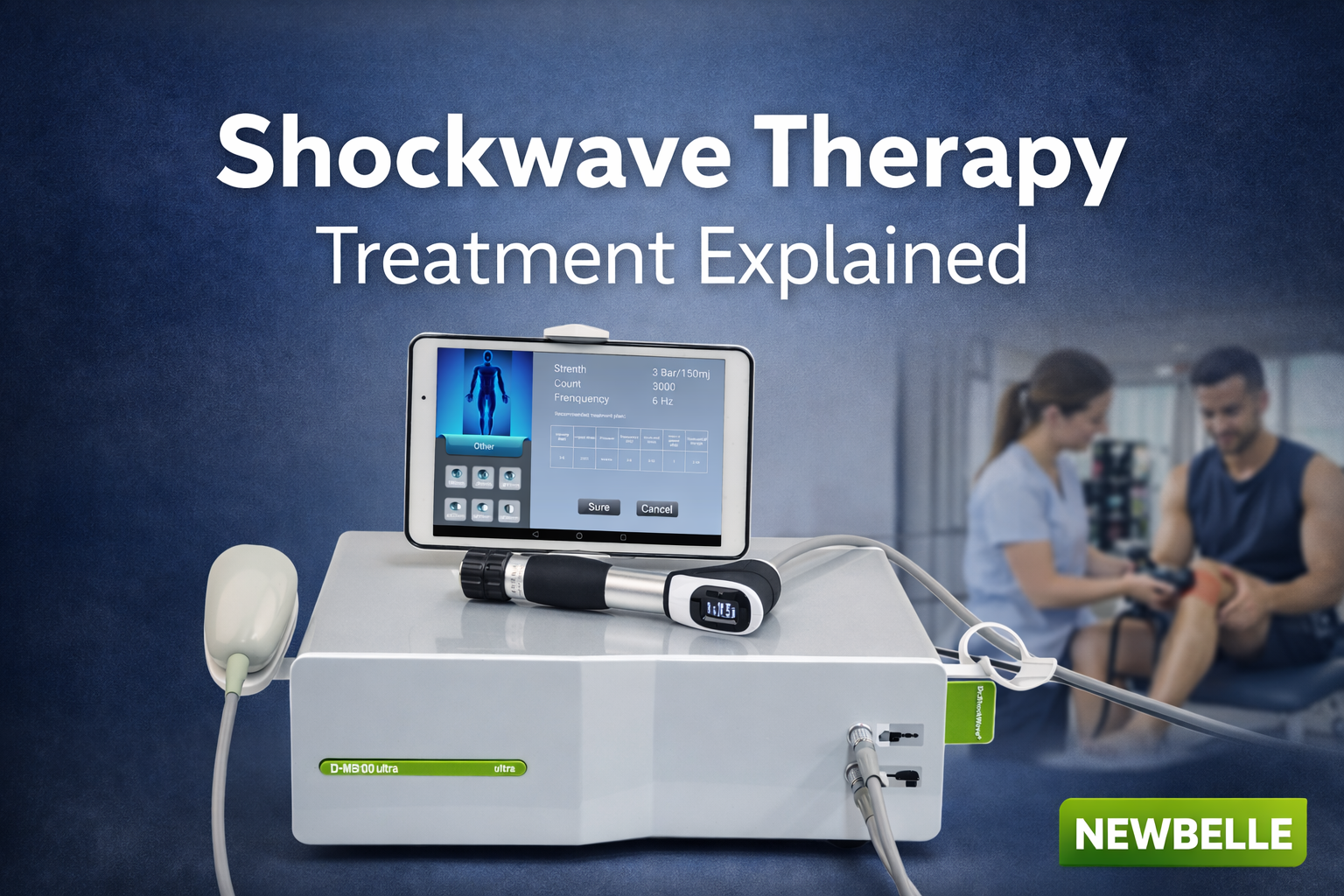
Chronic pain, recurring sports injuries, and long recovery cycles continue to frustrate patients and athletes who want real results without surgery or heavy medication. Traditional pain relief treatment methods often focus on masking symptoms rather than addressing the root cause, leaving tissues under-healed and performance compromised. Shockwave therapy has emerged as a non-invasive therapy that directly targets damaged tissue, stimulates biological repair, and restores mobility, offering a modern solution for people seeking effective and lasting pain relief.

Shockwave therapy, also known as extracorporeal shockwave therapy, is a clinically proven treatment that uses high-energy acoustic waves to stimulate tissue regeneration, improve blood circulation, reduce pain, and accelerate healing of musculoskeletal conditions. By delivering controlled shockwaves into injured or degenerated tissue, this therapy activates the body’s natural repair mechanisms, making it an effective option for chronic pain sufferers, athletes, and physical therapy patients who want non-surgical pain relief.
What makes shockwave therapy truly compelling is not just its technology, but the way it bridges modern medical science with real-world recovery outcomes. From elite sports injury recovery programs to everyday pain management in physical therapy clinics, understanding how this treatment works can help patients and professionals make confident, informed decisions.
In this article, we will answer critical questions such as: What exactly is shockwave therapy? How does extracorporeal shockwave therapy work inside the body? Which conditions respond best to this pain relief treatment? Is it safe, and what does a typical treatment plan look like? By the end, you will clearly understand whether this non-invasive therapy is right for your recovery or clinical practice.
Table of Contents
- Understanding Shockwave Therapy
- How Extracorporeal Shockwave Therapy Works
- Main Effects and Biological Benefits
- Clinical Applications and Conditions Treated
- Shockwave Therapy vs Traditional Pain Relief Treatments
- What to Expect During Treatment
- Safety, Evidence, and Effectiveness
- Who Should Consider Shockwave Therapy
- Conclusion and Next Steps
Understanding Shockwave Therapy
Shockwave therapy is a non-invasive therapy originally developed in urology for kidney stone treatment and later adapted for musculoskeletal medicine. Today, it is widely used in orthopedics, sports medicine, and physical therapy for pain relief treatment and tissue healing. Unlike invasive procedures, shockwave therapy requires no incisions, anesthesia, or downtime, making it highly appealing for both patients and clinicians.

How Extracorporeal Shockwave Therapy Works
Extracorporeal shockwave therapy works by transmitting high-energy acoustic waves through the skin into targeted tissue. These waves create controlled microtrauma that stimulates cellular activity, increases blood flow, and triggers the release of growth factors. This biological response promotes tissue regeneration and disrupts chronic pain patterns at their source.

| Mechanism | Physiological Response | Clinical Benefit |
|---|---|---|
| Acoustic Wave Stimulation | Microcirculation improvement | Faster tissue healing |
| Mechanical Stress | Collagen production | Stronger connective tissue |
| Nerve Desensitization | Pain signal reduction | Long-term pain relief |
Main Effects and Biological Benefits
The main effects of shockwave therapy include stimulating tissue regeneration, improving blood circulation, reducing pain, and accelerating healing of musculoskeletal conditions. These benefits are especially valuable in chronic conditions where the body’s natural repair process has slowed or stalled. By reactivating metabolic processes, shockwave therapy creates an optimal environment for recovery.

Clinical Applications and Conditions Treated
Shockwave therapy is commonly used for plantar fasciitis, Achilles tendinopathy, tennis elbow, shoulder calcifications, knee pain, and a wide range of sports injury recovery cases. Physical therapy clinics and sports medicine centers rely on extracorporeal shockwave therapy to treat both acute and chronic conditions with measurable outcomes.

| Condition | Treatment Goal | Expected Outcome |
|---|---|---|
| Plantar Fasciitis | Reduce inflammation | Pain-free walking |
| Tennis Elbow | Tendon regeneration | Restored grip strength |
| Shoulder Calcification | Break down deposits | Improved mobility |
Shockwave Therapy vs Traditional Pain Relief Treatments
Compared with medication, injections, or surgery, shockwave therapy offers a safer and more sustainable pain relief treatment. Medications often provide temporary relief, while surgery carries higher risks and recovery time. As a non-invasive therapy, shockwave therapy addresses the underlying cause of pain rather than masking symptoms.
| Treatment Type | Invasiveness | Recovery Time |
|---|---|---|
| Shockwave Therapy | Non-invasive | Minimal |
| Corticosteroid Injection | Minimally invasive | Short-term relief |
| Surgery | Invasive | Weeks to months |
What to Expect During Treatment
A typical shockwave therapy session lasts 10 to 20 minutes. Patients may feel mild discomfort during treatment, which is generally well tolerated. Most treatment protocols involve three to six sessions, depending on the condition and severity. There is no downtime, allowing patients to resume daily activities immediately.
Safety, Evidence, and Effectiveness
Numerous clinical studies support the safety and effectiveness of extracorporeal shockwave therapy. Side effects are minimal and may include temporary redness or soreness. For patients seeking non-surgical pain relief options, shockwave therapy represents a well-documented and evidence-based approach.
Who Should Consider Shockwave Therapy
Patients with chronic pain, athletes with overuse injuries, and individuals who have not responded to conventional physical therapy often benefit the most from shockwave therapy. It is also an excellent option for those who want to avoid surgery while achieving meaningful sports injury recovery and long-term pain reduction.

Conclusion
Shockwave therapy stands out as a powerful non-invasive therapy that delivers real biological healing rather than temporary symptom relief. By stimulating tissue regeneration, improving blood circulation, and accelerating recovery, extracorporeal shockwave therapy has become an essential pain relief treatment in modern rehabilitation and sports medicine.
For clinics, therapists, and wellness centers looking to integrate advanced shockwave therapy into their services, choosing reliable, high-quality equipment is crucial. Explore our professional shockwave therapy solutions designed for performance, durability, and clinical excellence.