
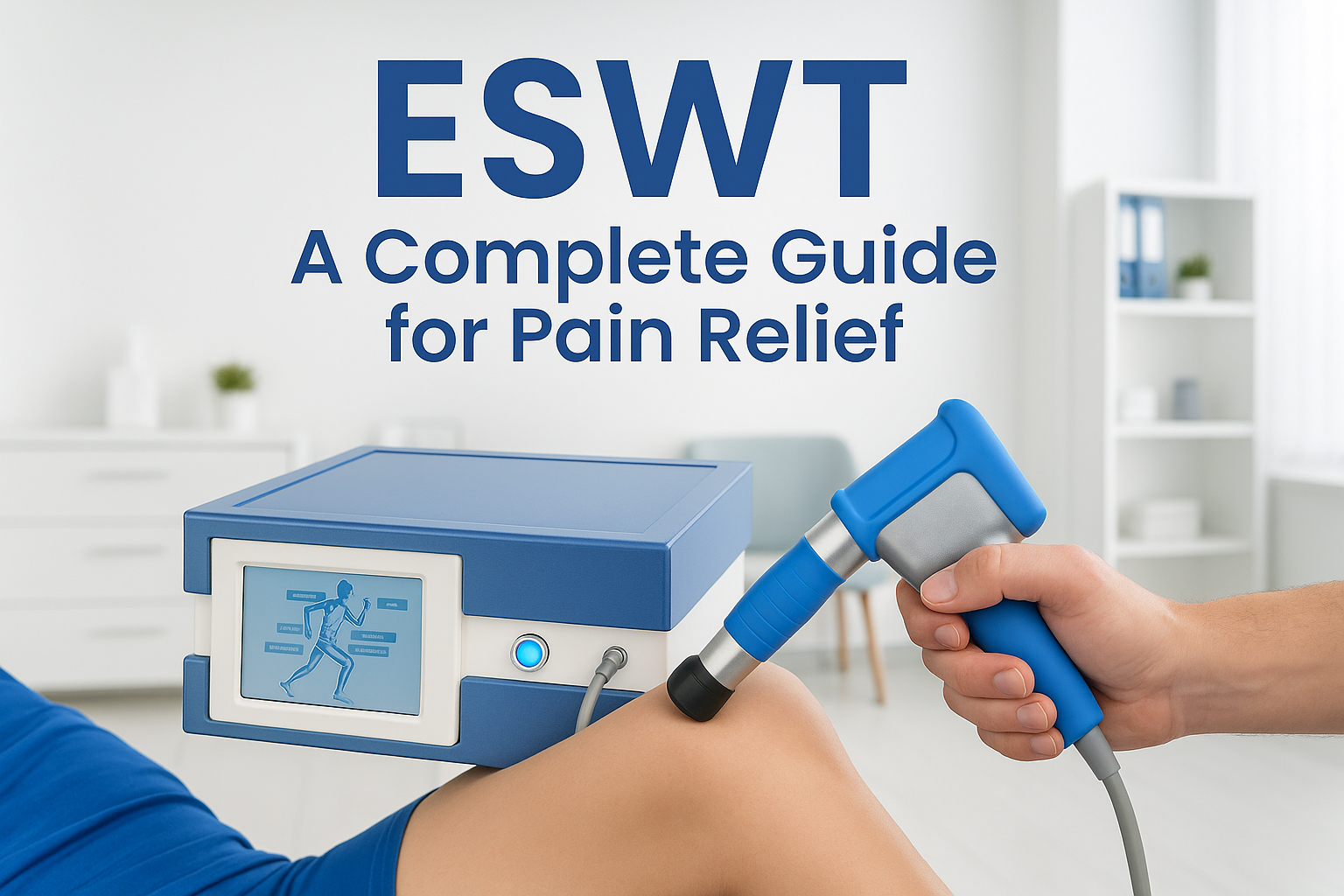
Millions of patients and athletes struggle with chronic, debilitating pain caused by musculoskeletal disorders such as tendonitis, plantar fasciitis, and muscle trigger points. Traditional treatments often require long recovery periods, medication dependency, or even surgery, leaving individuals frustrated and unable to return to normal activity.
When pain persists despite rest, therapy, or medication, it affects every part of life — mobility, athletic performance, work productivity, and mental well-being. The longer the inflammation continues, the harder it becomes to restore tissue function, making early, effective, non-invasive intervention crucial.
Extracorporeal Shock Wave Therapy (ESWT), also known as shockwave therapy, offers a proven, non-invasive treatment option that accelerates healing, enhances blood circulation, and reduces pain without drugs or surgery. ESWT is now widely used by physiotherapists, orthopedic specialists, chiropractors, and rehabilitation centers worldwide for rapid, targeted musculoskeletal recovery.

What Is ESWT and How Does It Work?
Extracorporeal Shock Wave Therapy (ESWT) is a non-invasive therapeutic technology that uses high-energy acoustic waves to stimulate biological healing mechanisms within the body. These sound waves promote cellular regeneration, reduce inflammation, and improve blood flow, offering exceptional benefits for conditions like tendonitis, plantar fasciitis, calcific shoulder pain, and other musculoskeletal disorders.
In simple terms, ESWT accelerates recovery by sending pulses into injured tissue, increasing metabolic activity and initiating a controlled healing response. For patients seeking fast, drug-free pain relief, ESWT has become one of the most effective and scientifically validated treatment approaches available today.

Why This Guide Matters
If you or your patients are struggling with chronic pain, limited mobility, or slow recovery from sports injuries, understanding the full potential of ESWT can make a life-changing difference. This guide explains how ESWT works, who benefits most, what results to expect, and why clinics worldwide are adopting the technology. Keep reading — the insights ahead will help you make informed decisions for treatment, practice improvement, or patient care.
Questions This Guide Will Answer
- What conditions does ESWT treat most effectively?
- How safe is shockwave therapy compared to traditional treatments?
- What results can patients expect, and how fast?
- Which types of practitioners should use ESWT?
- How does ESWT benefit clinics and rehabilitation centers?
Table of Contents
- 1. What Is ESWT and How Does It Work?
- 2. The Key Benefits of ESWT
- 3. Conditions Effectively Treated by ESWT
- 4. ESWT vs. Traditional Pain Treatments
- 5. What to Expect During ESWT Treatment
- 6. Who Is the Best Candidate for ESWT?
- 7. Clinical Applications for Therapists & Specialists
- 8. Choosing the Right ESWT Machine
- 9. Conclusion & Call to Action
The Key Benefits of ESWT
ESWT offers a wide range of therapeutic advantages, especially for chronic soft-tissue pain and sports injuries. Its non-invasive nature makes it ideal for patients seeking fast, safe, and drug-free recovery.

Main Benefits of ESWT
- Non-invasive pain relief without medication or surgery.
- Stimulation of tissue regeneration by activating cell repair mechanisms.
- Improved blood circulation and metabolic activity in injured tissue.
- Accelerated healing for chronic musculoskeletal disorders.
- Breakdown of calcifications in the shoulder, heel, and tendons.
- Enhanced mobility and functional performance.
- Fast treatment sessions with no downtime.
Table 1: Biological Effects of ESWT
| Biological Response | Clinical Impact |
|---|---|
| Increased collagen production | Stronger, healthier tendon and ligament repair |
| Improved blood vessel formation | Better circulation and accelerated healing |
| Reduction of inflammatory mediators | Less pain and swelling |
| Mechanical breakdown of scar tissue | Restored mobility and function |
Conditions Effectively Treated by ESWT
Shockwave therapy is widely recognized for its effectiveness in treating chronic and acute musculoskeletal conditions. It is especially beneficial for athletes, active individuals, and patients who have not responded to traditional therapy.

Common Conditions Treated
- Plantar fasciitis
- Tennis elbow (lateral epicondylitis)
- Achilles tendonitis
- Shoulder calcific tendonitis
- Patellar tendonitis (jumper’s knee)
- Hip bursitis
- Trigger point pain
- Chronic muscular tension
Table 2: ESWT Success Rates by Condition
| Condition | Reported Success Rate |
|---|---|
| Plantar Fasciitis | 80–90% |
| Tennis Elbow | 70–85% |
| Achilles Tendinopathy | 65–80% |
| Calcific Shoulder Tendonitis | 75–90% |
ESWT vs. Traditional Pain Treatments
Compared to common treatment options, ESWT stands out for its safety, non-invasive nature, and ability to target the root cause of pain instead of masking symptoms.
Table 3: Comparison of Treatment Options
| Treatment Type | Invasiveness | Risks | Effectiveness |
|---|---|---|---|
| ESWT | Non-invasive | Minimal temporary soreness | High success for chronic pain |
| Corticosteroid Injection | Minimally invasive | Tissue weakening, recurrence | Short-term relief |
| Surgery | Invasive | Long recovery, infection risk | Only when conservative care fails |
What to Expect During ESWT Treatment

ESWT sessions are fast, safe, and comfortable for most patients. Here is a general treatment overview:
- Session duration: 5–15 minutes
- Typical frequency: 3–6 sessions spaced one week apart
- Pain level: Mild discomfort that decreases as tissue heals
- Downtime: None — patients resume activities immediately
Who Is the Best Candidate for ESWT?
Ideal candidates include:
- Patients with chronic pain lasting more than 3 months
- Athletes needing fast, targeted recovery
- Individuals who failed to improve with traditional therapy
- Patients wanting non-invasive treatment alternatives
- Clinics specializing in orthopedics, physiotherapy, chiropractic, or sports medicine
Clinical Applications for Therapists & Specialists
ESWT is now a standard therapy in many professional settings:
- Orthopedic clinics — for tendon and bone disorders
- Chiropractic centers — for muscle and joint pain
- Sports rehabilitation facilities — for soft tissue injuries
- Physiotherapy clinics — for chronic pain and mobility issues
- Wellness centers — for soft tissue regeneration and recovery
For professionals, ESWT improves clinical outcomes, expands service offerings, increases client retention, and elevates treatment quality.
Choosing the Right ESWT Machine
When selecting an ESWT device, consider:
- Energy levels and frequency range
- Durability and service life
- Handpiece comfort and precision
- Preset treatment modes
- Portability and clinical usability
- Brand support and warranty
For high-quality, customizable ESWT equipment, explore the NEWBELLE SW13 Shockwave Therapy Machine:
Conclusion: ESWT — A Breakthrough Solution for Pain Relief & Tissue Healing
Extracorporeal Shock Wave Therapy (ESWT) has transformed the way clinicians treat chronic pain, tendon injuries, and musculoskeletal disorders. With its non-invasive nature, proven effectiveness, and fast treatment time, ESWT offers patients a safe path to recovery without relying on surgery or medication.
For physiotherapists, orthopedic specialists, athletes, and rehabilitation centers, ESWT is an essential tool that enhances treatment outcomes and expands clinical capabilities.
Ready to upgrade your clinic or personal recovery journey?
Explore NEWBELLE Shockwave Therapy Machines Here →