
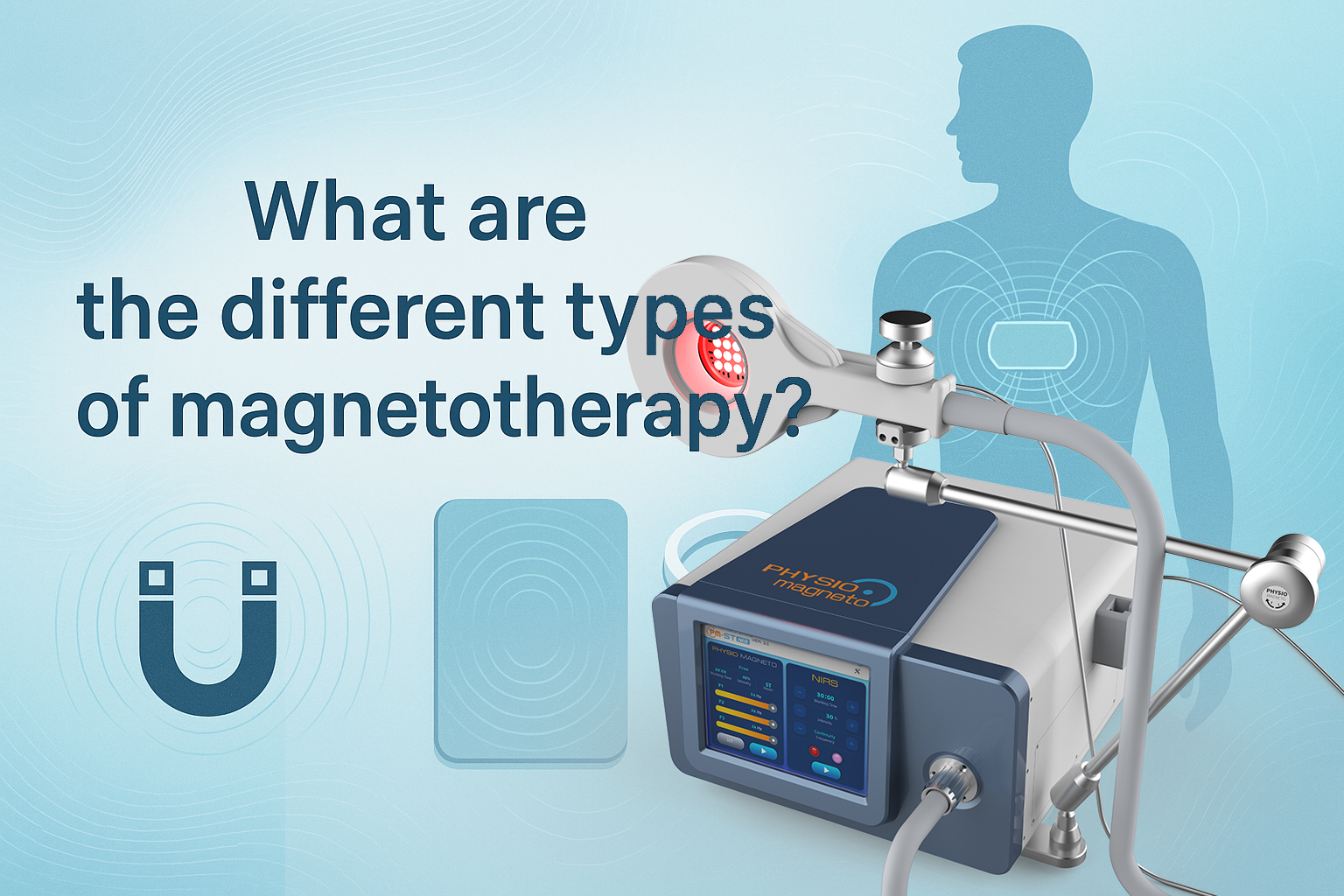
If you live with chronic pain, inflammation, or low energy, you’ve probably seen the buzz around magnetotherapy and magnetic therapy devices—bracelets, mats, pads, and powerful clinical PEMF machines. But as soon as you start researching, you hit a wall of confusion. There are static magnets, PEMF systems, low-frequency electromagnetic therapy, local applicators, and full-body systems. How do you know which magnetic therapy types are right for your condition or your clinic?
Choosing the wrong option can mean spending hundreds or thousands of dollars on a device that doesn’t match your needs or doesn’t deliver the level of pain management and healing you expected. Patients, wellness clients, and even therapists often feel overwhelmed by conflicting marketing claims, vague explanations, and lack of structure around the different types of magnetotherapy available today. That confusion leads to indecision—or worse, poor investment.
This detailed guide breaks down the main types of magnetotherapy in clear, professional language. You’ll learn the differences between static magnets, PEMF (Pulsed Electromagnetic Field) therapy, and advanced clinical electromagnetic therapy systems, so you can choose the right technology for alternative pain relief, wellness support, or professional practice.

What Are the Different Types of Magnetotherapy?
In practice, magnetotherapy can be divided into three main categories: static magnet therapy (fixed magnets in bracelets, belts, insoles, etc.), PEMF therapy (Pulsed Electromagnetic Field devices that send time-varying magnetic pulses into the body), and clinical electromagnetic therapy systems (high-performance medical or wellness devices with multiple applicators and adjustable frequencies). Within these groups, there are further subtypes such as low-intensity home PEMF mats, targeted PEMF applicators for joints, and high-intensity professional magnetotherapy machines used in physiotherapy, sports recovery, and integrative pain management.
All of these magnetic therapy types rely on magnetic fields to influence cellular function, circulation, and tissue repair—but they differ in field strength, depth of penetration, treatment time, and suitability for self-care vs. professional use. Understanding these differences is essential for anyone choosing magnetotherapy for pain relief, injury recovery, or chronic inflammation support.

Before investing in a bracelet, mat, or professional magnetotherapy machine, it’s worth taking a few minutes to understand exactly how each type works, who it’s best for, and what results you can realistically expect. In the next sections, we’ll walk through each major category of magnetic therapy, compare their strengths and limitations, and answer the key questions patients, wellness clients, and therapists ask when evaluating magnetic therapy types for long-term pain management and tissue healing.
As you read, keep these important questions in mind—they are the same issues this article will help you clarify:
- What are the practical differences between static magnets, PEMF devices, and other electromagnetic therapy systems?
- Which type of magnetotherapy is better suited for chronic pain vs. acute injury recovery?
- Are home-use magnetic therapy products enough, or do some conditions require professional equipment?
- How do different magnetotherapy systems fit into physiotherapy, sports medicine, and wellness centers?
- What should you look for when choosing a magnetotherapy machine for your clinic or practice?
Table of Contents
- Overview: Main Types of Magnetotherapy
- Static Magnet Therapy
- PEMF Therapy: Home and Wellness Devices
- Clinical PEMF & Electromagnetic Therapy Systems
- Comparison Table: Magnetic Therapy Types
- Who Benefits Most from Each Type?
- Key Applications in Pain Management and Recovery
- How to Choose the Right Magnetotherapy Device
- Business Value for Clinics and Wellness Centers
- Magnetotherapy FAQ
- Conclusion & Next Steps
Overview: Main Types of Magnetotherapy
Although marketing names vary, most magnetotherapy solutions fall into a few core types. Understanding this structure makes it much easier to select the ideal approach for your needs, whether you’re a private user or a rehabilitation professional.
| Magnetotherapy Type | Typical Format | Field Characteristics | Typical Use |
|---|---|---|---|
| Static Magnet Therapy | Bracelets, wraps, insoles, mattress pads | Constant, non-pulsed magnetic field from permanent magnets | Low-intensity wellness support, mild pain relief |
| Home / Wellness PEMF | Mats, pads, pillows, small local applicators | Low- to medium-intensity pulsed electromagnetic fields | Daily use for general wellness, chronic pain, and recovery |
| Clinical PEMF / Electromagnetic Therapy | Professional devices with multiple applicators | Precisely controlled, often higher-intensity magnetic pulses | Physiotherapy, sports medicine, targeted pain management |
| Hybrid & Combination Systems | Integrated in beds, chairs, multi-modal devices | May combine PEMF with heat, vibration, or other energies | Wellness centers, spas, recovery studios |

Static Magnet Therapy (Permanent Magnets)
Static magnet therapy uses permanent magnets that create a constant, unchanging magnetic field. These magnets are embedded in bracelets, belts, mattress pads, pet collars, and other accessories. Because there is no pulsing or power source, these products are simple, portable, and relatively inexpensive.
Supporters believe that long-term exposure to static magnetic fields near painful or inflamed areas may influence circulation and nerve signaling, contributing to subjective pain relief. However, static magnets usually deliver much lower field variations than PEMF or clinical electromagnetic therapy systems, so results tend to be subtle.

Static magnet products can be an entry-level option for individuals curious about magnetotherapy but not yet ready to invest in a powered device. They are usually worn for many hours per day and may be used alongside other alternative therapies such as massage, acupuncture, or herbal supplements.
PEMF Therapy: Home and Wellness Magnetotherapy Devices
PEMF (Pulsed Electromagnetic Field) therapy is the most widely recognized modern form of magnetotherapy. Instead of providing a constant field, PEMF devices send carefully timed pulses of electromagnetic energy through the body. These pulses are designed to gently stimulate cells, improve microcirculation, and support natural tissue repair processes.
Home-use PEMF systems include full-body mats, smaller pads, pillows, and localized applicators for areas like the knees, shoulders, or lower back. They typically operate at low to moderate intensities and are safe for daily use under proper guidelines. Many wellness clients use PEMF sessions for generalized pain management, stress reduction, and recovery after exercise.
These home and wellness systems can be an excellent balance of effectiveness and convenience. While not as powerful as some clinical devices, they still provide dynamic electromagnetic stimulation and are more adaptable than passive static magnets. For individuals with chronic pain, sleep issues, or low energy, a daily PEMF routine can become a central part of their long-term self-care plan.

Clinical PEMF & Electromagnetic Therapy Systems
Professional magnetotherapy machines used in physiotherapy, sports medicine, and rehabilitation clinics are designed for more precise and intensive treatments. These systems often fall under the umbrella of PEMF or broader electromagnetic therapy. They feature advanced control units and a variety of applicators—circular coils, flexible pads, solenoids, and focused treatment heads that can deliver energy deep into tissues.
In clinical settings, magnetotherapy is used to support fracture healing, joint degeneration, tendon injuries, post-surgical recovery, and stubborn chronic pain syndromes. Practitioners can choose specific frequencies, intensities, and treatment programs tailored to the patient’s condition, making clinical magnetotherapy much more individualized than simple wearable magnets.
These systems are particularly valuable in multidisciplinary rehabilitation environments, where they can be combined with manual therapy, exercise, TECAR therapy, shockwave therapy, and other modalities. For clinics focused on high-level pain management and evidence-informed injury recovery, a robust electromagnetic therapy platform is often seen as a strategic investment.
Comparison Table: Magnetic Therapy Types
To simplify the differences between static magnets, wellness PEMF devices, and professional magnetotherapy machines, review the comparison below.
| Type | Field Type | Intensity & Depth | Best For | Limitations |
|---|---|---|---|---|
| Static Magnets | Constant (non-pulsed) magnetic field | Low intensity, shallow influence | Entry-level wellness, mild discomfort, everyday wear | Less flexible, limited treatment control, subtle effects |
| Home / Wellness PEMF | Pulsed electromagnetic field | Low–moderate intensity, moderate depth | Chronic pain, stress relief, general circulation support | Not as targeted or powerful as clinical systems |
| Clinical PEMF / Electromagnetic Therapy | Programmable pulsed electromagnetic fields | Medium–high intensity, deep tissue penetration | Rehabilitation, sports injuries, persistent pain, professional physiotherapy | Requires trained operators and higher equipment cost |
Who Benefits Most from Each Type of Magnetotherapy?
Different clients and patient profiles will naturally gravitate toward different magnetic therapy types. Matching the type of magnetotherapy to the person’s goals, budget, and clinical needs is key to achieving satisfactory results.
| Client Type | Needs & Goals | Recommended Magnetotherapy Type |
|---|---|---|
| Wellness-focused individuals | General energy, mild pain, relaxation | Home PEMF mats or pads; optional static magnet accessories |
| People with chronic pain & inflammation | Ongoing pain management, improved function | Structured PEMF sessions at home plus periodic clinical electromagnetic therapy |
| Athletes & active clients | Faster recovery, reduced soreness, injury prevention | Medium-intensity PEMF systems, local applicators, and professional clinic sessions |
| Rehabilitation & physiotherapy patients | Targeted injury recovery, post-surgical healing | Clinical PEMF / magnetotherapy machines under therapist supervision |
| Integrative wellness clinics & spas | High-value non-invasive services | Full-body PEMF systems, chairs or beds, plus focused clinical applicators |
Key Applications in Pain Management and Recovery
Across all magnetotherapy categories, the main goals are to ease discomfort, promote circulation, and support the body’s own healing mechanisms. While device intensity and protocols differ, typical application areas include:
1. Musculoskeletal Pain and Arthritis
Low back pain, neck tension, osteoarthritis, and joint stiffness are among the most common reasons people explore magnetic therapy types. PEMF and clinical magnetotherapy are often chosen because their pulsed fields can penetrate deeper into joints and surrounding tissues.
2. Sports Injuries and Overuse Syndromes
Tendinitis, muscle strains, and overuse injuries can benefit from improved microcirculation and cellular energy. Professional athletes frequently use PEMF and other electromagnetic therapy modalities between training sessions to support tissue recovery and performance.
3. Post-Surgical and Post-Fracture Recovery
In some rehabilitation settings, clinical magnetotherapy is used to support bone healing, reduce post-surgical swelling, and improve range of motion as part of a broader physiotherapy program. Careful protocol selection is important, and treatment should always be supervised by trained professionals.
4. Circulation and Tissue Oxygenation Support
Many wellness clients use PEMF mats and full-body magnetotherapy sessions to support circulation, tissue oxygenation, and general vitality. While individual experiences vary, users often report feeling warmer, more relaxed, and more energized after consistent sessions.
How to Choose the Right Magnetotherapy Device
With so many magnetic therapy types available, it helps to have a simple decision framework. Consider the following factors when evaluating magnetotherapy devices:
- Goal: Are you looking for gentle wellness support or clinical-level pain management and rehabilitation?
- Area of focus: Whole-body support, localized joints, spine, or multiple regions?
- Usage setting: Home user, wellness center, physiotherapy clinic, or sports team facility?
- Adjustability: Do you need fixed programs, or advanced control over frequency and intensity?
- Budget vs. ROI: How will you balance investment cost with expected outcomes or business revenue?
For private users, a well-designed PEMF mat or pad can be an excellent central tool, with optional static magnet accessories if desired. For professional environments, investing in a versatile magnetotherapy machine with multiple applicators and adjustable protocols allows you to treat a wide range of conditions with one system.
Business Value for Clinics, Spas, and Wellness Centers
For physiotherapists, rehabilitation clinics, medical spas, and wellness centers, choosing the right magnetotherapy platform is about more than technology—it’s about service design and business growth. A modern PEMF or electromagnetic therapy system can:
- Enhance your clinical toolkit for non-invasive pain management and injury recovery
- Attract clients who are actively researching alternative, low-risk therapies
- Integrate easily with existing protocols like shockwave, TECAR, cryotherapy, or manual therapy
- Generate recurring revenue through package programs and maintenance plans
- Strengthen your brand’s reputation as a technologically advanced, patient-centered provider
NEWBELLE’s professional magnetotherapy machines are designed with clinics and high-end wellness centers in mind—offering robust build quality, flexible settings, and compatibility with a wide range of musculoskeletal and wellness-focused protocols.
Magnetotherapy FAQ
Is PEMF the same as magnetotherapy?
PEMF is one major type of magnetotherapy. All PEMF devices use magnetic fields, but not all magnetotherapy devices are PEMF—static magnets and certain other electromagnetic therapy systems are also part of the magnetic therapy landscape.
Are static magnets enough for serious pain?
Static magnets may provide mild relief or comfort for some people, but for more significant or chronic pain, many practitioners prefer dynamic, pulsed technologies like PEMF or clinical magnetotherapy machines that offer deeper and more adjustable stimulation.
Is magnetotherapy safe?
Magnetotherapy is generally well tolerated when used as directed. However, certain individuals—such as those with pacemakers, implanted electronic devices, pregnancy, or specific medical conditions—should follow professional guidelines and consult a healthcare provider before using high-intensity electromagnetic therapy devices.
How quickly can I feel results from PEMF or other magnetotherapy?
Some users feel a difference—such as warmth, relaxation, or reduced discomfort—after a few sessions, while others notice more gradual improvements over several weeks of consistent application. Clinical outcomes depend on intensity, frequency, treatment plan, and the underlying condition.
Can magnetotherapy replace conventional medical treatment?
No. Magnetotherapy, including PEMF and static magnets, should be viewed as a complementary approach within a broader medical or rehabilitation plan. It can support pain management and tissue healing, but it does not replace diagnosis, medication, or surgery when these are medically necessary.
Conclusion: Choosing the Right Type of Magnetotherapy
So, what are the different types of magnetotherapy? In summary, you can think of them in three main layers: simple static magnets for everyday wellness, flexible PEMF devices for comprehensive home and wellness-center use, and high-performance electromagnetic therapy systems for clinics and rehabilitation facilities. Each type has its place, and the “best” choice depends on your goals, your condition, and whether you are a patient, wellness client, therapist, or facility owner.
For individuals seeking alternative pain management and recovery support, a well-chosen PEMF system can offer a powerful balance between accessibility and effectiveness. For physiotherapists, sports medicine specialists, and wellness centers, a professional magnetotherapy machine becomes not only a clinical asset but also a strategic differentiator in a competitive marketplace.
If you’re ready to explore high-quality, professionally engineered magnetotherapy solutions, NEWBELLE provides advanced systems designed for safety, performance, and long-term reliability—ideal for clinics, wellness studios, and serious home users.
Discover our full range of Magnetotherapy and electromagnetic therapy machines here:
https://buynewbelle.com/collections/magnetotherapy-machines