
3-in-1 Shockwave + EMS + Pressotherapy Machines: A Complete Buyer's Guide (2026)

A 3-in-1 physiotherapy machine combines electromagnetic shockwave, EMS (electrical muscle stimulation), and pressotherapy (pneumatic compression) in a single device — letting a clinic or spa offer pain relief, muscle stimulation, and lymphatic drainage without buying three separate machines. Expect to pay roughly $2,000–$4,000 for a combined unit, versus $3,600–$7,500 for three entry-level single-function machines bought separately. This guide explains what these machines do, the 6 things to check before buying, realistic prices, and how the leading options compare.
What is a 3-in-1 physiotherapy machine?
A 3-in-1 physiotherapy machine bundles three independent treatment technologies into one console. Each works on a different mechanism, and on most modern units the three can run either independently (treat different clients on different modalities) or simultaneously (layer all three on one client for a higher-value "signature" session):
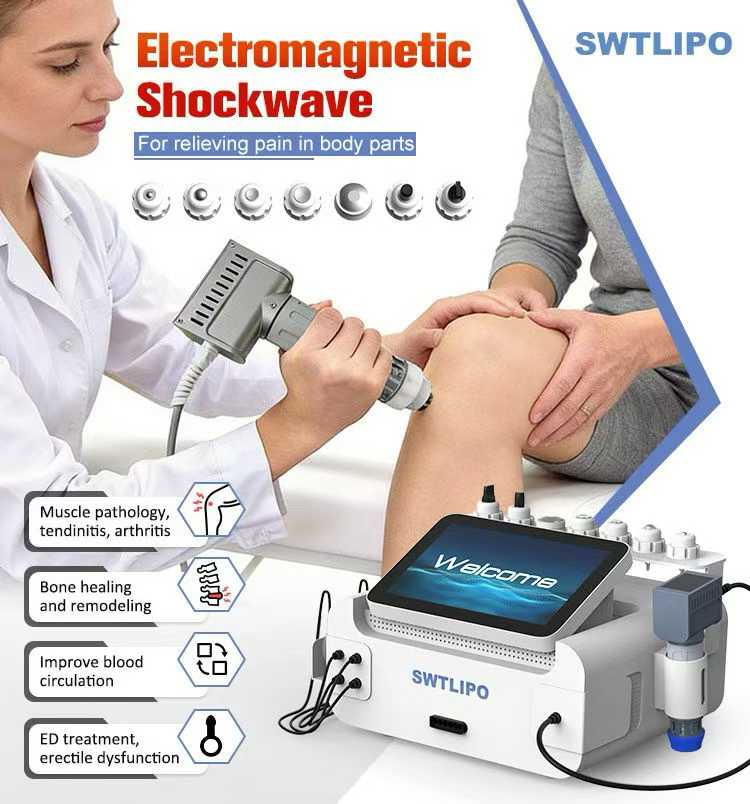
- Electromagnetic Shockwave — acoustic pressure waves that penetrate tissue to stimulate microcirculation, break down calcifications, and trigger the body's repair response. Used for musculoskeletal pain, tendinopathies, sports recovery, and (with dedicated probes) ED therapy.
- EMS Vacuum — electrical pulses that contract muscle directly, usually paired with vacuum-suction cups for a combined muscle-stimulation and cupping-massage effect. Used for muscle toning, recovery, and body contouring.
- Pressotherapy — a multi-chamber air suit that inflates and deflates in sequence to mimic manual lymphatic drainage. Used for circulation support, leg fatigue, edema, and lymphatic drainage.

Who should buy a 3-in-1 machine (and who shouldn't)?
A combined unit is the right call when you want breadth on a budget. It's less suitable if you need maximum performance in a single modality.
A 3-in-1 makes sense if you are:
- A multi-service clinic or med-spa adding pain relief, recovery, and body treatments to one menu
- A new or growing practice that can't justify three separate machines yet
- A physiotherapy or sports-recovery studio wanting flexible, layered treatment protocols
- Limited on treatment-room space — one footprint instead of three
A single-function machine may be better if you are:
- A specialist (e.g. an orthopedic clinic) needing high-energy focused shockwave for deep pathology — that's a dedicated, higher-cost category
- A dedicated lymphatic-drainage spa wanting full-body 24-airbag pressotherapy with abdomen and arm coverage
- Running very high volume on one therapy, where a purpose-built machine's throughput matters
6 things to check before you buy
- Can the three modalities run independently? The best units let you treat separate clients on separate functions, not just all-at-once. This multiplies how many clients one machine can serve per day.
- Shockwave probe count and types. More probes = more treatable areas. Check whether dedicated ED probes are included if you plan to offer ED therapy, since that's a distinct probe shape.
- Shockwave energy and frequency range. Look for adjustable energy (commonly expressed in millijoules) and a frequency range around 1–16 Hz so you can tailor intensity to the indication.
- EMS specifics. Check the number of applicators/cups, frequency (e.g. 500 Hz), and whether the cups work hands-free via vacuum (saves staff time vs. strapping electrodes).
- Pressotherapy airbag count and suit hygiene. More airbags = smoother sequential compression. A waterproof inner lining lets you wipe down between clients instead of using disposable underlayers — a real time and cost saver.
- Certification, warranty, and support. Look for CE certification, a multi-year warranty, and accessible after-sales support and training — especially important when buying factory-direct.
Radial vs. focused shockwave: which is inside a 3-in-1?
This matters because it shapes both price and use case. Most affordable 3-in-1 machines use radial / electromagnetic (pneumatic-style) shockwave, which spreads energy over a wider, more superficial area — ideal for muscle groups, general pain, and the broad indications a multi-service clinic treats.
Focused shockwave concentrates energy at a precise depth and is used for deep, pinpoint pathology (e.g. certain bone or deep-tendon conditions). Focused systems are a separate, far more expensive category — typically $15,000–$50,000+ — and are usually standalone, not part of a 3-in-1. If your work is general pain relief, recovery, and body treatments, a radial/electromagnetic 3-in-1 is the practical, cost-effective choice.
How much does a 3-in-1 machine cost in 2026?
Pricing depends on technology, build quality, certification, and whether you buy from a distributor (markup) or factory-direct (lower cost). Here's what the current market looks like:
| Category | Typical Price (2026) | Best for |
|---|---|---|
| Entry single-function radial shockwave | $1,000 – $8,000 | One therapy only |
| Single EMS physiotherapy machine | $800 – $2,000 | One therapy only |
| Single pressotherapy (leg) machine | $800 – $1,500 | One therapy only |
| 3-in-1 combined machine | $2,000 – $4,000 | All three therapies, one console |
| High-end focused shockwave (standalone) | $15,000 – $50,000+ | Deep-target specialist work |
The takeaway: buying three entry-level single-function machines separately typically totals $3,600–$7,500, while a quality 3-in-1 lands around $2,000–$4,000 — which is why combined units are popular with multi-service clinics watching their capital budget.

Is shockwave / EMS / pressotherapy clinically supported?
Each of the three therapies has its own peer-reviewed research base. A few well-established points:
- Shockwave (ESWT) — extracorporeal shockwave therapy was cleared by the U.S. FDA in 2000 for chronic plantar fasciitis and in 2002 for lateral epicondylitis (tennis elbow), and is widely studied for tendinopathies and musculoskeletal pain. Low-intensity shockwave for ED has been examined in randomized controlled trials showing improvements in erectile function for vasculogenic ED.
- EMS — electrical muscle stimulation is well established in sports medicine and rehabilitation literature for muscle strengthening, recovery, and reducing delayed-onset muscle soreness.
- Pressotherapy (IPC) — intermittent pneumatic compression is widely studied for lymphedema and circulation, with trials reporting measurable limb-volume reductions and quality-of-life improvements.
These findings refer to the therapies (ESWT, EMS, IPC) as studied in peer-reviewed literature, not to any specific device model. Each is commonly used as a supportive or adjunct therapy and is not a substitute for medical care. Treatments should be performed by trained professionals, and clients with contraindications — including pregnancy, malignant tumor in the treatment field, pacemakers or active implants, DVT, severe coagulation or cardiac conditions, acute infection, or active cancer at the site — should consult a physician first.
ROI: how fast can a 3-in-1 pay for itself?
Combination machines are attractive because they open multiple revenue streams from one purchase. Typical U.S. session pricing as an industry reference:
| Treatment | Typical session price |
|---|---|
| Shockwave — pain / sports recovery | $100 – $300 |
| Shockwave — ED therapy program | $300 – $600 |
| EMS / vacuum body-contouring | $80 – $200 |
| Pressotherapy (30 min) | $50 – $180 |
At a machine cost of around $2,000–$4,000 and these session prices, a clinic running even a handful of sessions per week can typically recover the device cost within weeks to a couple of months. (Figures are planning references; actual results depend on your market, pricing, and volume.)
Frequently asked questions
Can one machine really do all three treatments well?
A quality 3-in-1 delivers each modality through its own dedicated applicator (shockwave handle, EMS cups, pressotherapy suit), so each treatment runs on purpose-built hardware. What you trade off versus standalone machines is usually at the extremes — e.g. a 3-in-1 typically uses radial/electromagnetic shockwave rather than high-energy focused shockwave, and a leg-only pressotherapy suit rather than full-body coverage. For general clinic and spa work, that trade-off is rarely a limitation.
Do I need medical training to operate it?
These devices should be operated by trained professionals (physicians, physiotherapists, or trained clinicians within their scope of practice). Reputable suppliers include operating training. ED therapy in particular may require physician oversight depending on your country and state — verify local regulations before offering it.
What ongoing costs should I budget for?
Shockwave handpieces have a consumable component (the internal projectile) that wears over millions of shots; replacement kits are relatively inexpensive. EMS cups use sponge inserts. Pressotherapy suits are reusable. Overall consumable cost per session is low compared with many aesthetic treatments.
Should I buy from a distributor or factory-direct?
Distributors add markup; buying factory-direct generally lowers cost and gives more flexibility (including OEM/custom branding for resellers). The key is choosing a manufacturer that provides CE certification, a real warranty, training, and responsive after-sales support.
What's a fair price for a 3-in-1 in 2026?
Around $2,000–$4,000 for a CE-certified combined unit with shockwave, EMS, and pressotherapy. Be cautious with sub-$2,000 units that may lack certification and support.
Looking at a 3-in-1 machine for your clinic?
NEWBELLE's SWTLIPO combines electromagnetic shockwave (7 probes, including 2 dedicated ED heads), EMS vacuum, and 12-airbag pressotherapy in one CE-certified platform — factory-direct, with a 2-year warranty and free training.