
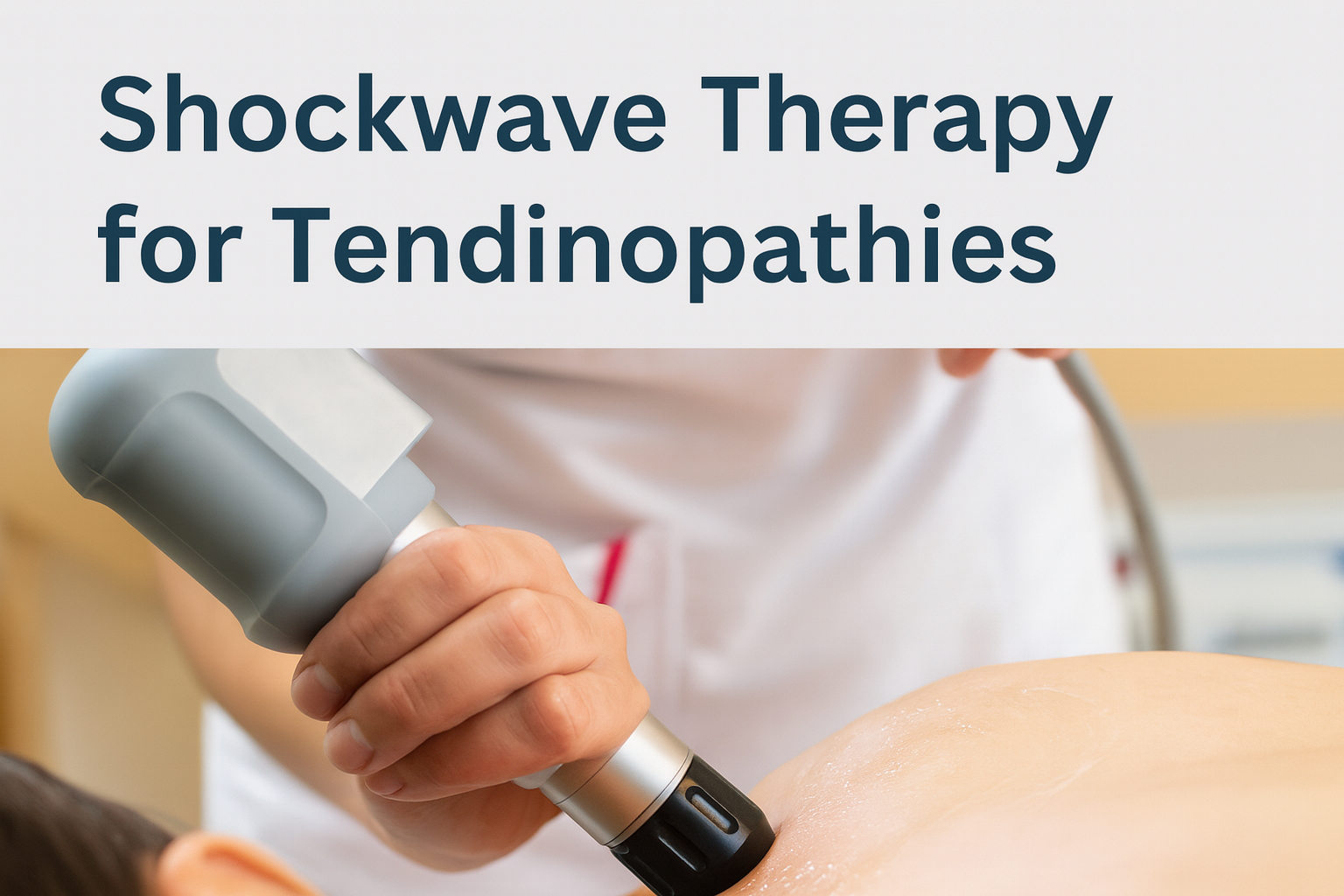
Chronic tendinopathies — persistent tendon pain, stiffness, reduced mobility — often resist conventional treatments, leaving patients and therapists frustrated by recurring flare-ups and slow healing.
Each failed therapy session prolongs discomfort, limits athletic or work performance, and undermines confidence in recovery. For many, tendon pain becomes a chronic burden rather than a temporary setback.
Shockwave Therapy offers a non-invasive, clinic-grade intervention: targeted mechanical stimulation to accelerate tendon healing, reduce pain, and improve functional mobility — offering real hope to individuals suffering from chronic tendinopathies, physiotherapists, sports medicine professionals, and rehabilitation clinicians.
The core therapy — Shockwave Therapy — delivers mechanical acoustic waves to injured tendon tissue. This non-invasive approach is recognized for its ability to stimulate blood flow, trigger healing responses, and gradually restore tendon structure and function. In other words: Shockwave Therapy provides effective tendon pain relief and supports sustainable tendon healing and rehabilitation.
If you’re looking for a scientifically grounded, clinic-ready solution to manage chronic tendon injuries — and want to discover why Shockwave Therapy might be your best option — read on. This article will show you how it works, its benefits, how to implement it correctly, and what real results you can expect.
In the sections below, we’ll explore exactly how Shockwave Therapy addresses tendinopathies, what evidence supports its use, and practical guidance for physiotherapists and clinicians treating tendon pain. We’ll also answer key questions many professionals and patients have in mind. By the end, you’ll better understand why this therapy is becoming a go-to solution for tendon healing and functional recovery — and whether it belongs in your clinic or treatment plan.
Table of Contents
- How Shockwave Therapy Works for Tendons
- Clinical Benefits: Pain Relief, Healing & Mobility
- Scientific & Clinical Evidence
- Practical Application & Protocols
- Frequently Asked Questions
- Conclusion & Call to Action
How Shockwave Therapy Works for Tendons

Shockwave Therapy uses acoustic (sound) waves — also known as extracorporeal shockwaves (ESWT) — delivered through a handheld applicator. When applied to a tendon, these waves transmit mechanical energy through the tissue, stimulating microtrauma, increasing blood circulation, and triggering the body’s natural healing cascade: enhanced collagen production, tissue regeneration, and remodeling. This mechanical stimulation is especially valuable in chronic tendinopathies, where healing is stalled and inflammation or degeneration persists.
The specific device model NEWBELLE Shockwave Therapy Machine for Physiotherapy Pain Relief – Model SW13B is a professional pneumatic radial shockwave system engineered for physiotherapy and musculoskeletal rehabilitation. According to the manufacturer, it delivers adjustable energy levels (0.5–8 bar) and frequency (1–21 Hz), with multiple applicator heads suited for different body areas.

During treatment, the therapist selects the appropriate applicator head and therapy parameters, applies ultrasound gel, and moves the applicator over the injured tendon. The mechanical shockwaves penetrate soft tissue, targeting the tendon and surrounding structures to stimulate healing, reduce pain, break down calcific deposits, and restore function. This process is non-invasive and typically well tolerated, making it suitable for repeated sessions if needed.
Clinical Benefits: Pain Relief, Healing & Mobility
Shockwave Therapy offers several compelling benefits for treating tendinopathies and chronic tendon pain. Key advantages include:
| Benefit | Clinical Impact |
|---|---|
| Tendon Pain Relief | Reduces chronic pain levels, easing discomfort that hinders daily activities or athletic performance. |
| Stimulates Tendon Healing | Promotes collagen synthesis and tissue regeneration, helping degenerative tendons recover healthier structure. |
| Improved Functional Mobility | Enhances range of motion and tendon flexibility — essential for athletes and physically active individuals. |
| Non-invasive & Low Risk | No incisions, minimal downtime, and suitable even for patients reluctant to pursue surgery. |
| Versatile for Multiple Tendinopathies | Applicable to various common conditions: Achilles tendinopathy, patellar tendinitis, tennis elbow, shoulder tendinitis, plantar fasciitis, etc. |

For physiotherapists, sports-medicine professionals, and rehabilitation clinicians, Shockwave Therapy delivers a treatment option that addresses the root causes (degeneration, inadequate blood flow, tissue damage) — not just the symptoms. Over time, this can lead to more stable tendon health and fewer recurrences compared with purely symptomatic treatments like anti-inflammatories or passive modalities.
Scientific & Clinical Evidence
Research and clinical practice increasingly support Shockwave Therapy for tendinopathies. Studies demonstrate that ESWT — the technology behind shockwave therapy — can significantly reduce pain, improve function, and stimulate tendon repair. For example, chronic conditions such as Achilles tendinopathy, patellar tendinitis, and lateral epicondylitis (tennis elbow) have shown improvements in pain scores, tendon structure (on imaging), and functional outcomes after a course of ESWT sessions.
Moreover, the biomechanical rationale is well accepted: the mechanical shockwaves create micro-injury at the cellular level, which upregulates growth factors, enhances blood vessel formation (angiogenesis), and stimulates collagen remodeling — critical steps for tendon healing. These physiological changes underpin long-term recovery rather than temporary relief.
| Condition Treated | Typical Outcomes with ESWT |
|---|---|
| Chronic Achilles Tendinopathy | Reduced pain, improved calf strength and ankle mobility, lower risk of relapse |
| Patellar Tendinitis (Jumper’s Knee) | Less tendon pain, better knee function, improved jumping/landing performance |
| Shoulder Tendinitis / Rotator Cuff Tendinopathy | Reduced pain, increased shoulder mobility and strength, improved daily activity function |
| Tennis Elbow (Lateral Epicondylitis) | Pain relief, restored grip strength, improved elbow use in daily tasks or sports |
Overall, the body of evidence supports that Shockwave Therapy — when applied correctly and as part of a comprehensive rehab protocol — can transform chronic tendon injuries into recoverable conditions, reducing the need for invasive interventions.
Practical Application & Protocols

For clinicians and therapists planning to incorporate Shockwave Therapy into their practice, here’s a practical protocol framework based on best practices and manufacturer guidance:
- Perform a thorough assessment — confirm tendon diagnosis, chronicity, symptoms, and rule out contraindications (e.g. acute infection, malignancy, open wound, certain vascular conditions).
- Prepare the treatment — clean skin, apply ultrasound gel to the target tendon area, select suitable applicator head and preset program as supported by your machine (like SW13B). :contentReference[oaicite:4]{index=4}
- Set energy and frequency parameters — start conservatively (e.g. lower bar and frequency), especially if patient is new to ESWT; adjust gradually based on tolerance and response.
- Apply shockwaves — move the applicator evenly over the tendon area, treating for a prescribed number of impulses/ time, according to condition and tolerance.
- Post-treatment care — advise moderate rest (no heavy tendon loading immediately), gradual re-introduction of stretching/ strengthening, and monitor for response over subsequent days/weeks.
- Schedule follow-up sessions — many tendinopathy protocols benefit from multiple ESWT sessions spaced over several weeks for optimal healing and tendon remodeling.
It’s essential to integrate Shockwave Therapy with conventional rehabilitation (e.g. eccentric loading exercises, physical therapy, gradual functional training) rather than view it as a standalone “magic bullet.” Combined — mechanical stimulation from ESWT plus structured rehab — yields the best long-term tendon healing and functional recovery outcomes.

Frequently Asked Questions
Is Shockwave Therapy painful?
Many patients report mild to moderate discomfort during treatment, especially at higher energy settings — but it is generally well tolerated. Therapists often adjust energy levels to patient comfort, and patients typically notice relief and improved mobility days after the session.
How many sessions are needed?
It depends on the severity and chronicity of tendinopathy. For chronic tendon issues, 3–5 sessions spaced 1–3 weeks apart are common. Each case is unique: clinicians should tailor treatment protocols based on patient response, tendon condition, and rehab goals.
Are there risks or side effects?
Because Shockwave Therapy is non-invasive, risks are minimal. Some patients may experience temporary soreness, slight bruising, or discomfort at the treatment site. Serious complications are rare when performed correctly by trained professionals.
Which tendinopathies respond best?
Chronic tendinopathies — Achilles tendinopathy, patellar tendinitis, lateral epicondylitis (tennis elbow), shoulder tendinitis, plantar fasciitis, and other degenerative soft-tissue conditions — tend to respond best, especially when conservative treatments have failed or plateaued.
Conclusion
Shockwave Therapy represents a powerful, evidence-based tool for treating chronic tendinopathies — offering tendon pain relief, promoting tendon healing, and restoring functional mobility without surgery. For physiotherapists, sports medicine professionals, and rehabilitation clinicians seeking to optimize outcomes for patients with persistent tendon injuries, integrating ESWT (such as with the NEWBELLE SW13B device) into your treatment protocols can significantly elevate your standard of care.
Ready to bring advanced tendon treatment into your clinic or practice? Discover the full specifications and order the NEWBELLE SW13B Shockwave Therapy Machine here: Shockwave Therapy Machine for Physiotherapy Pain Relief – Model SW13B
Further reading: